 English
 Swahili

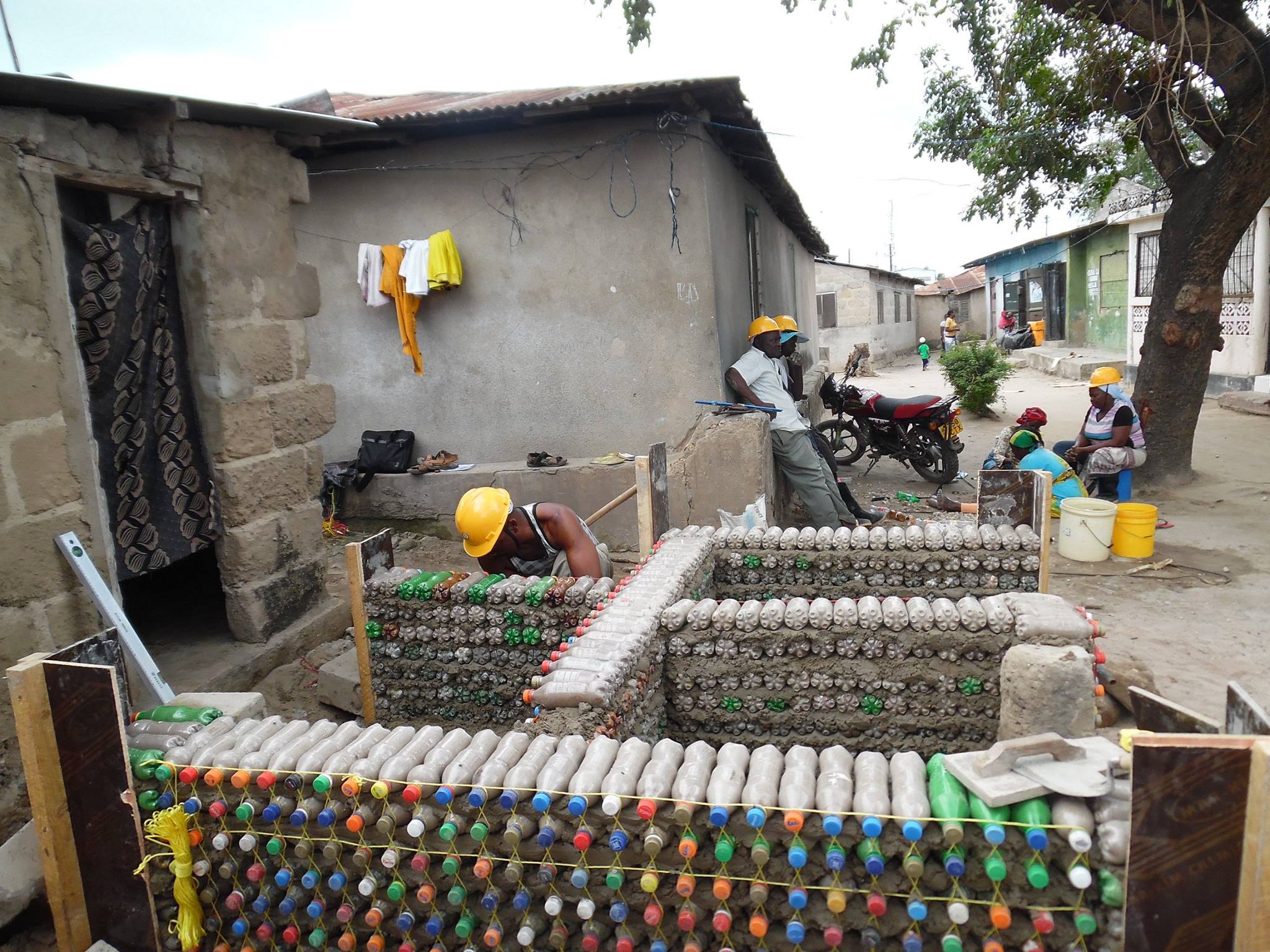
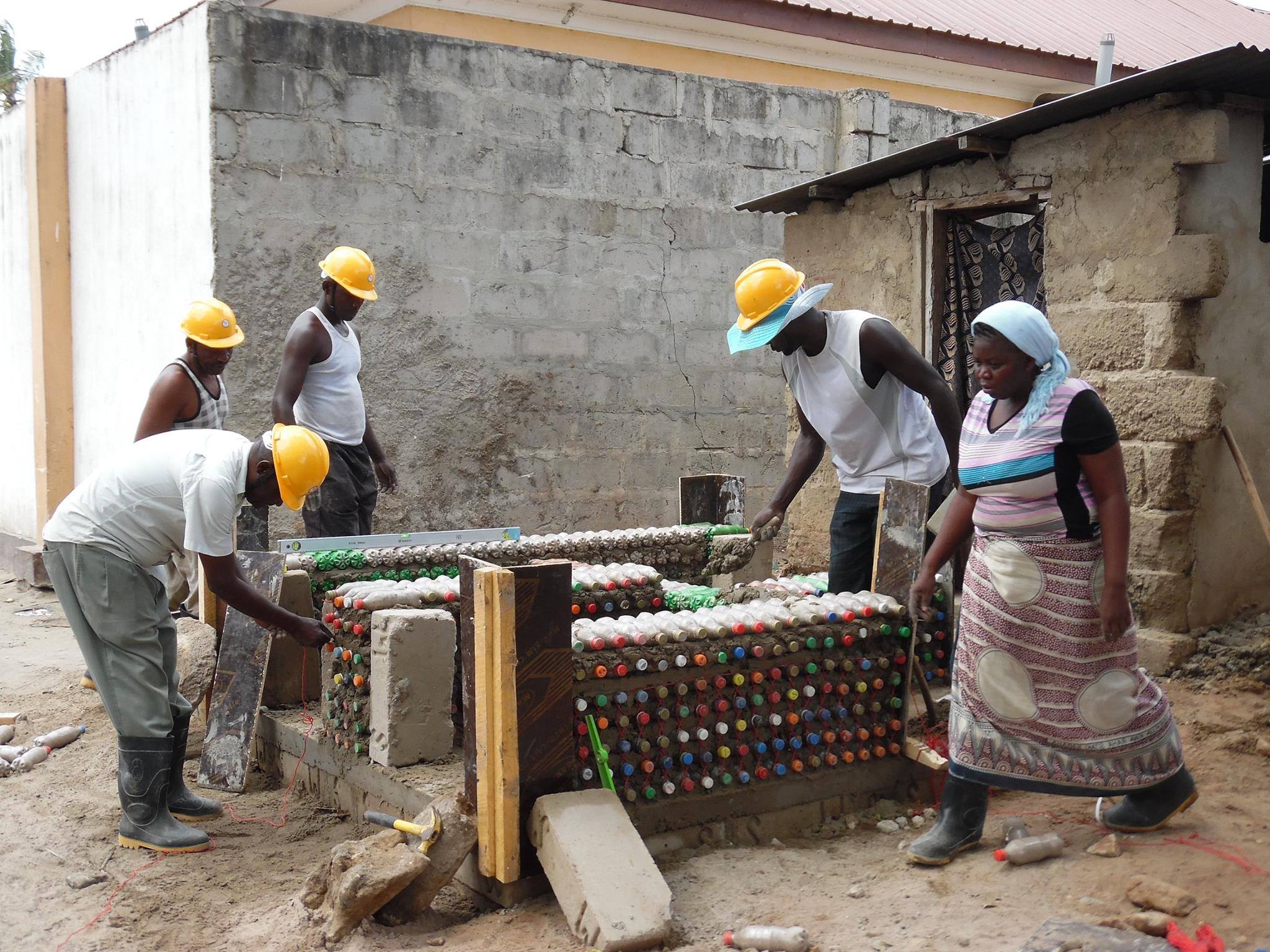
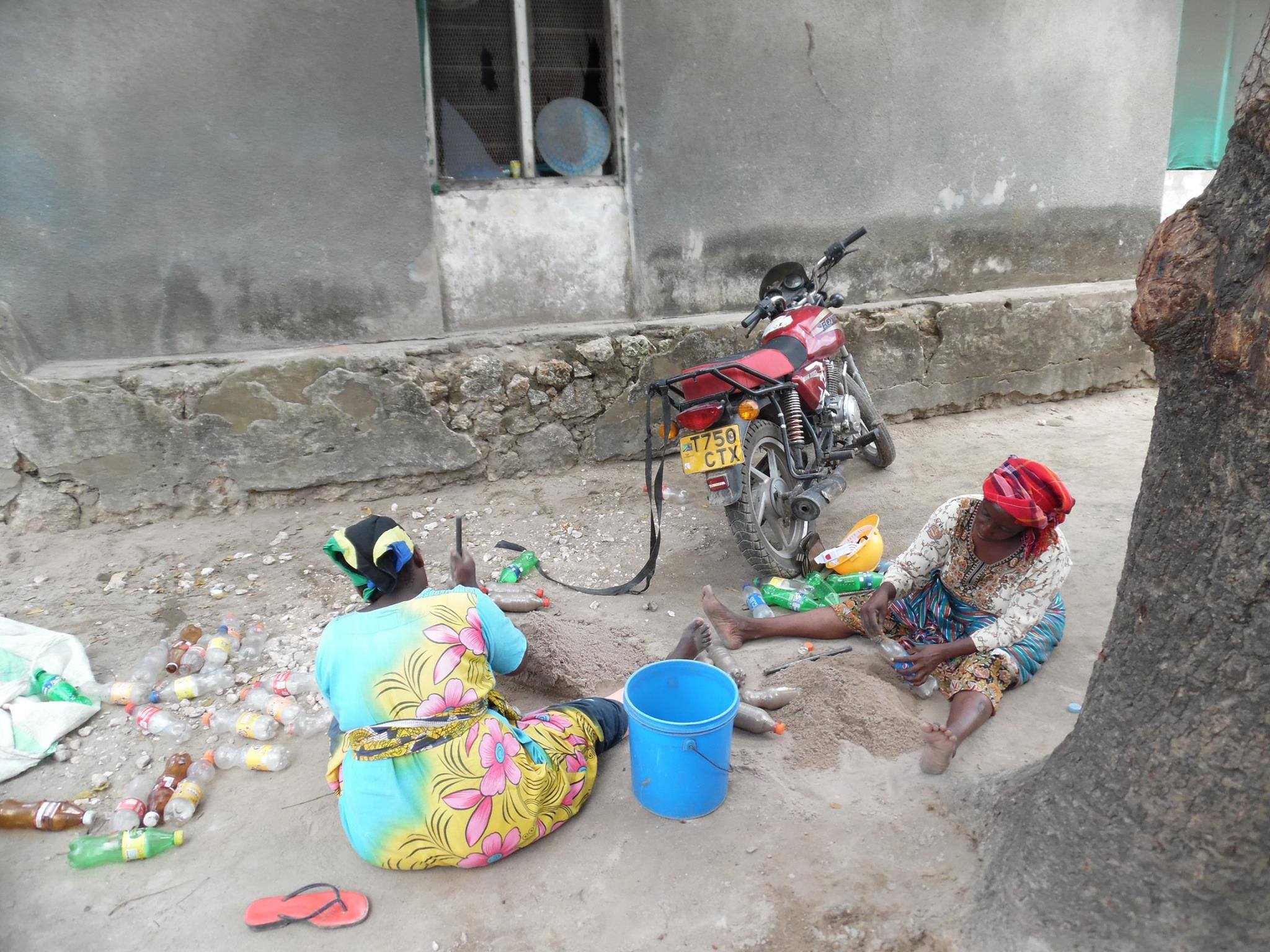
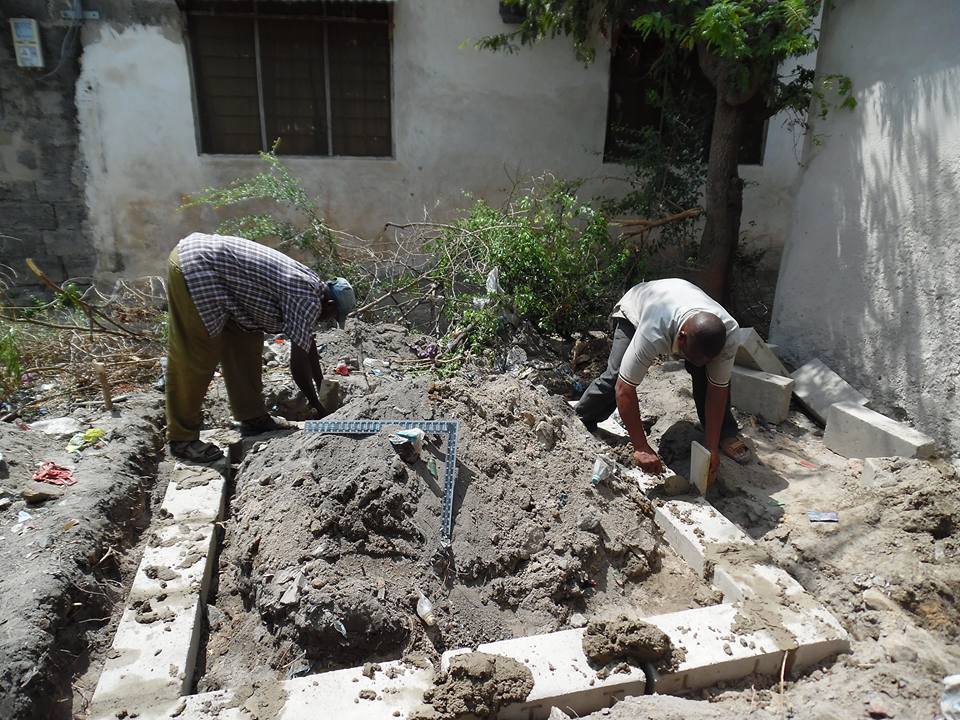
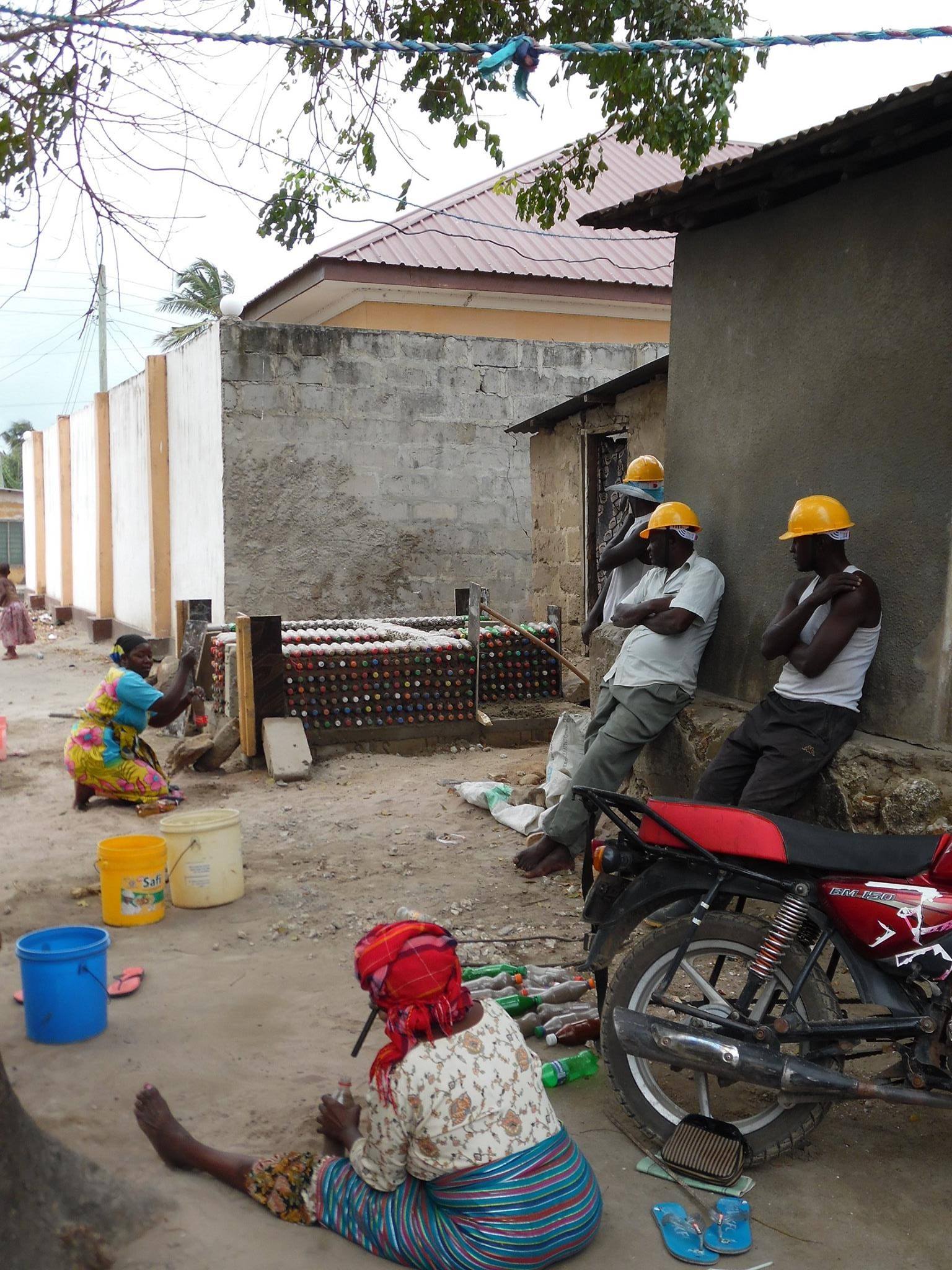
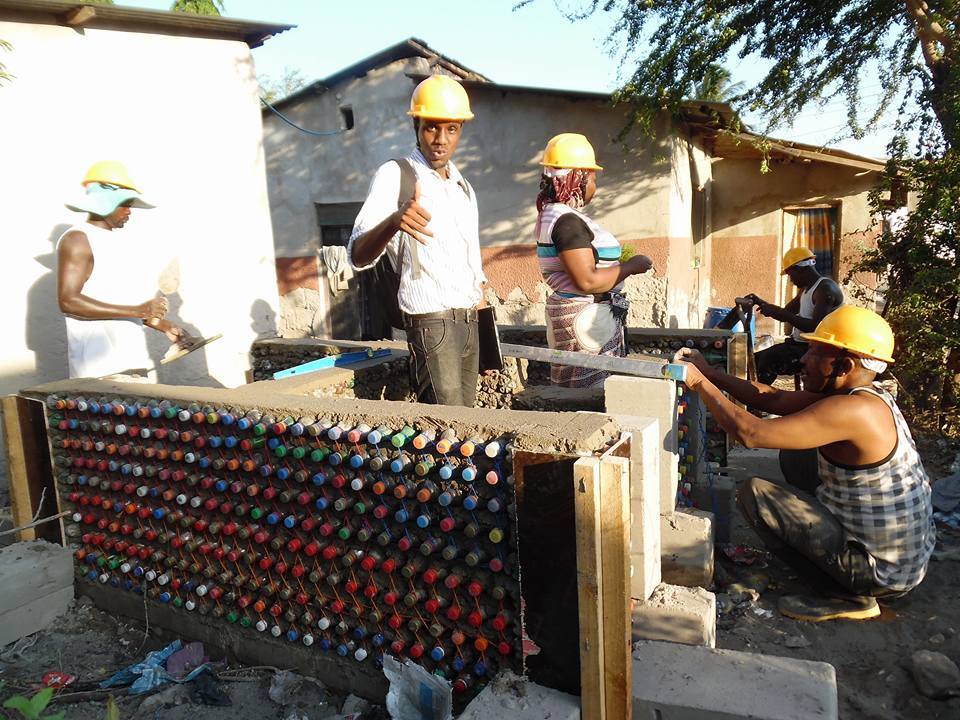
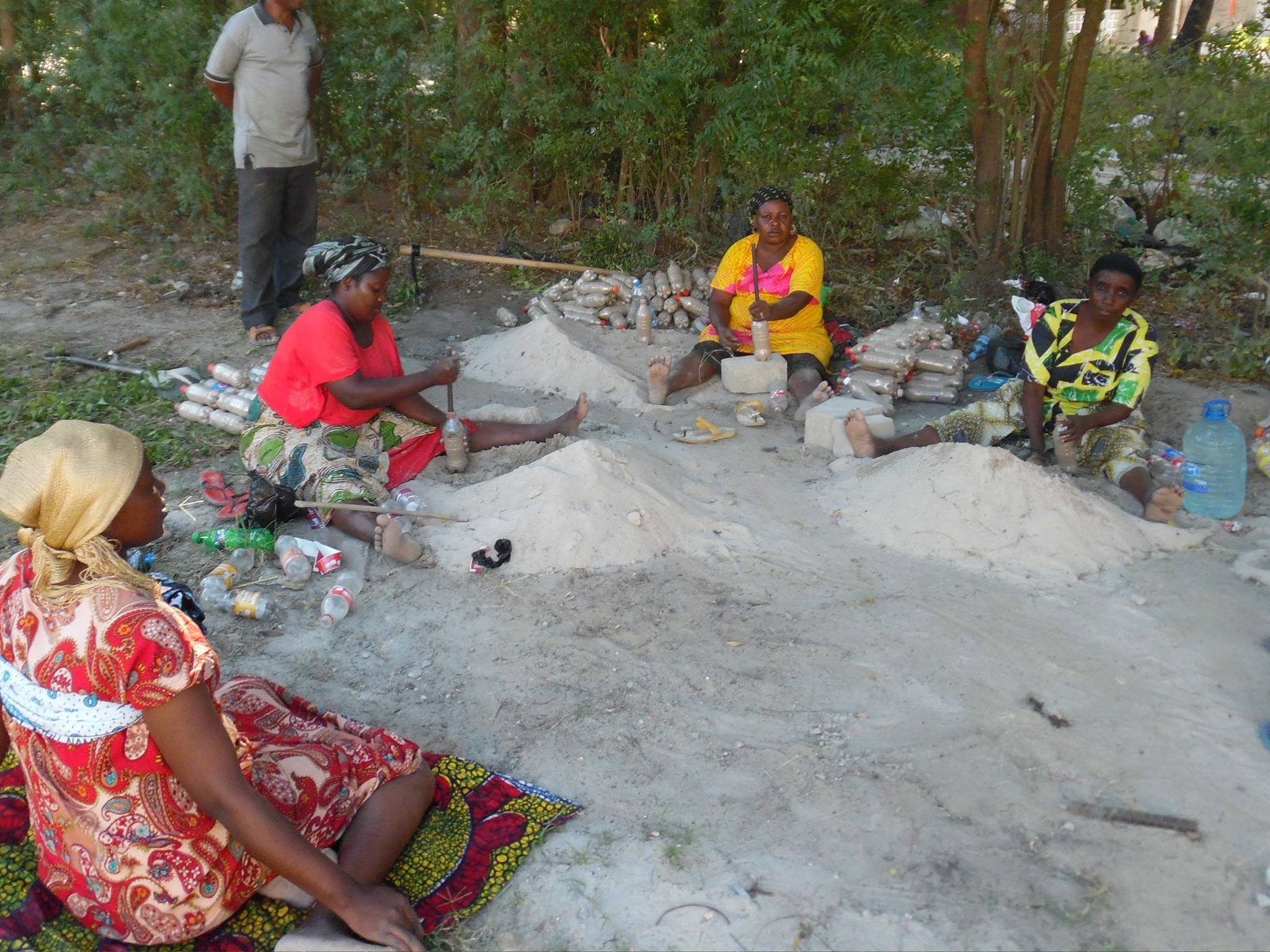
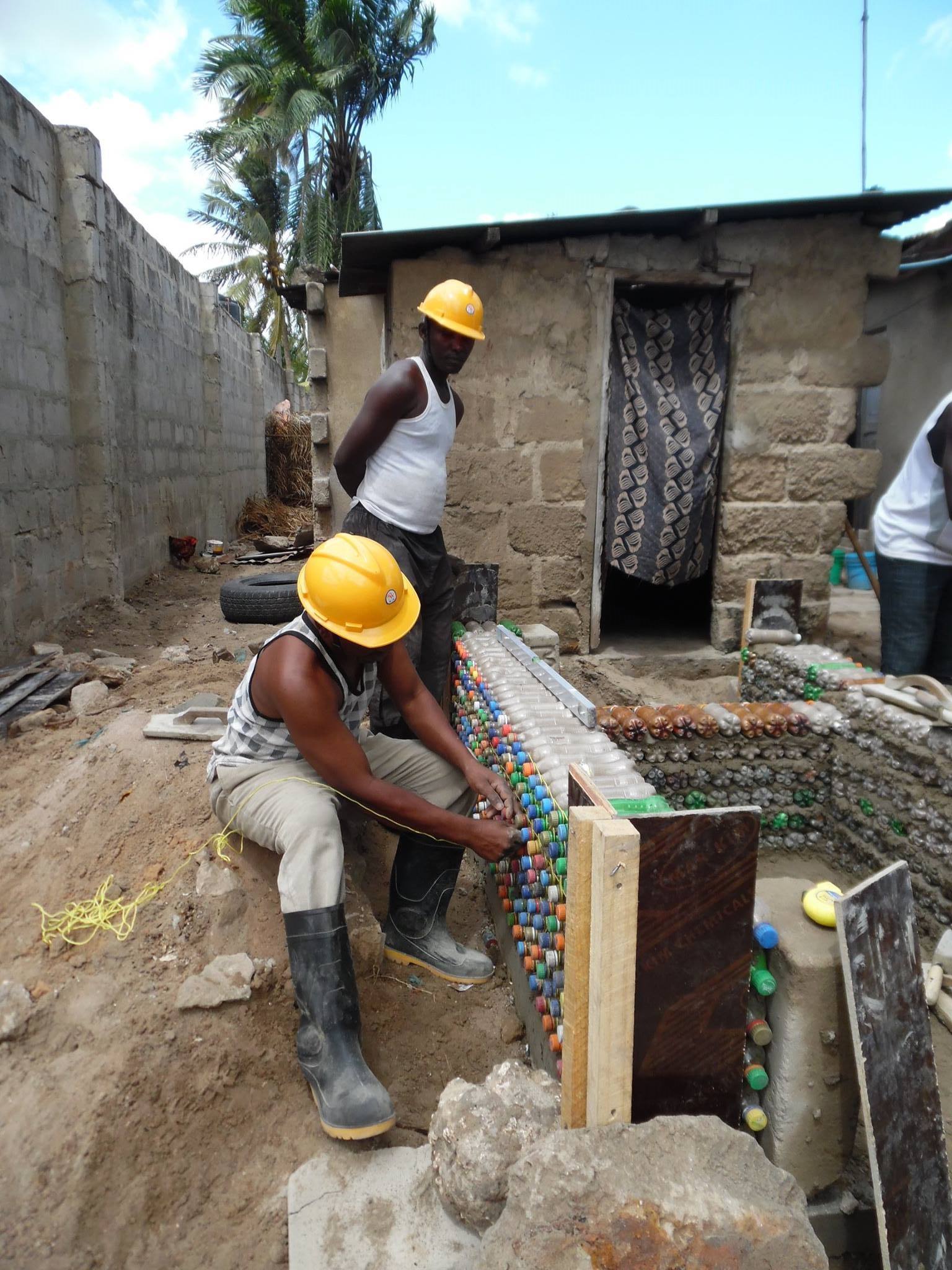
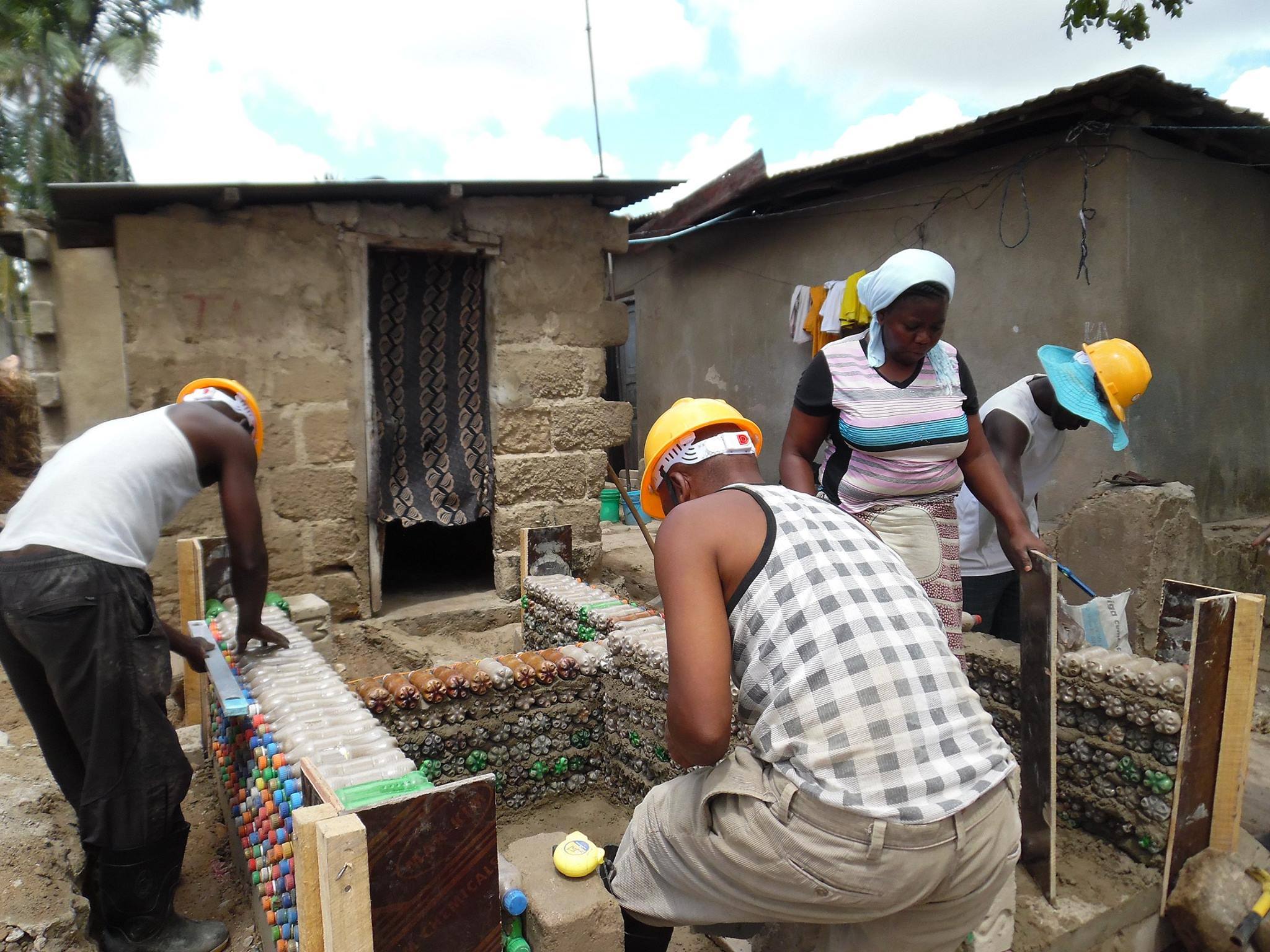
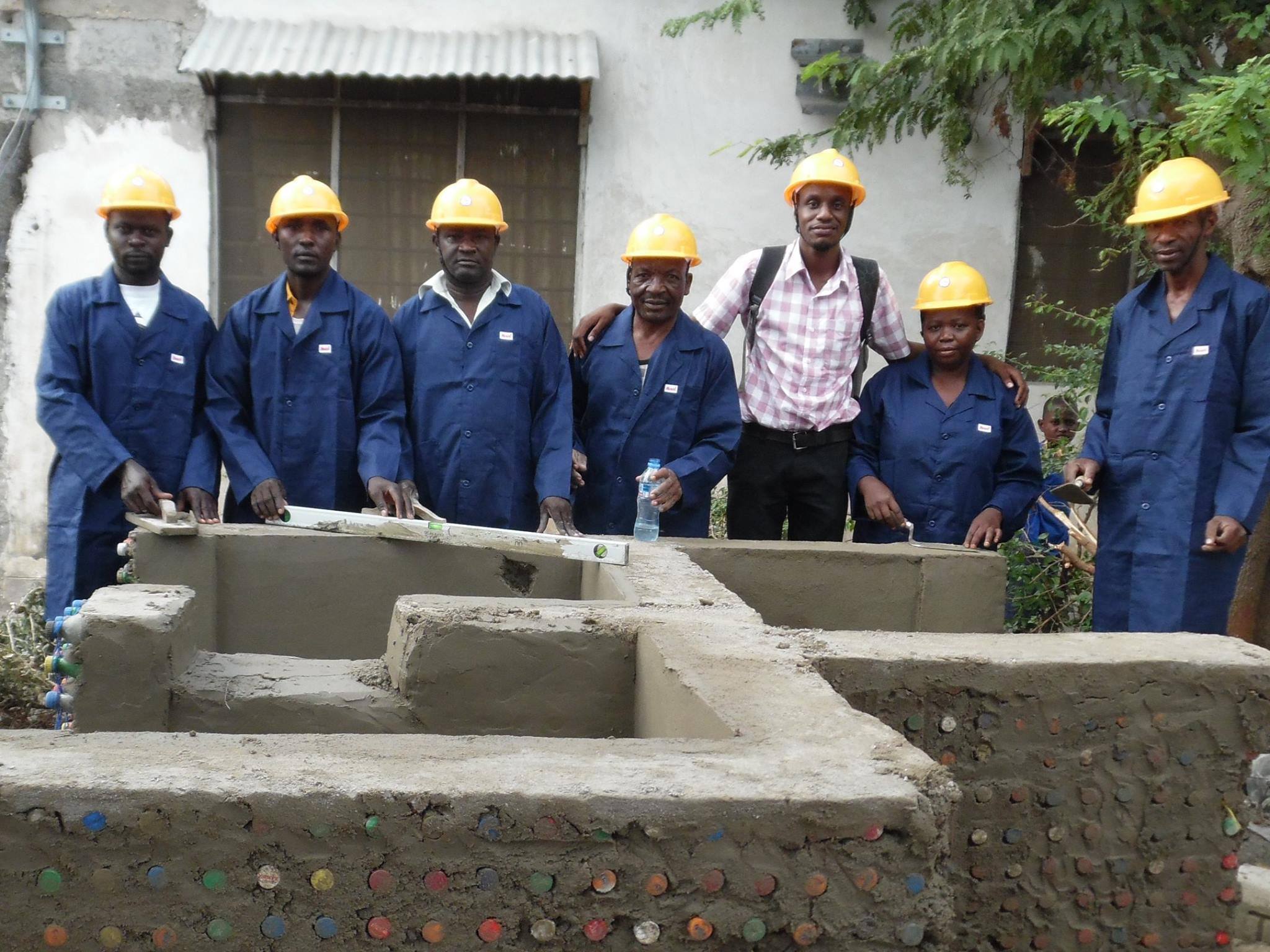
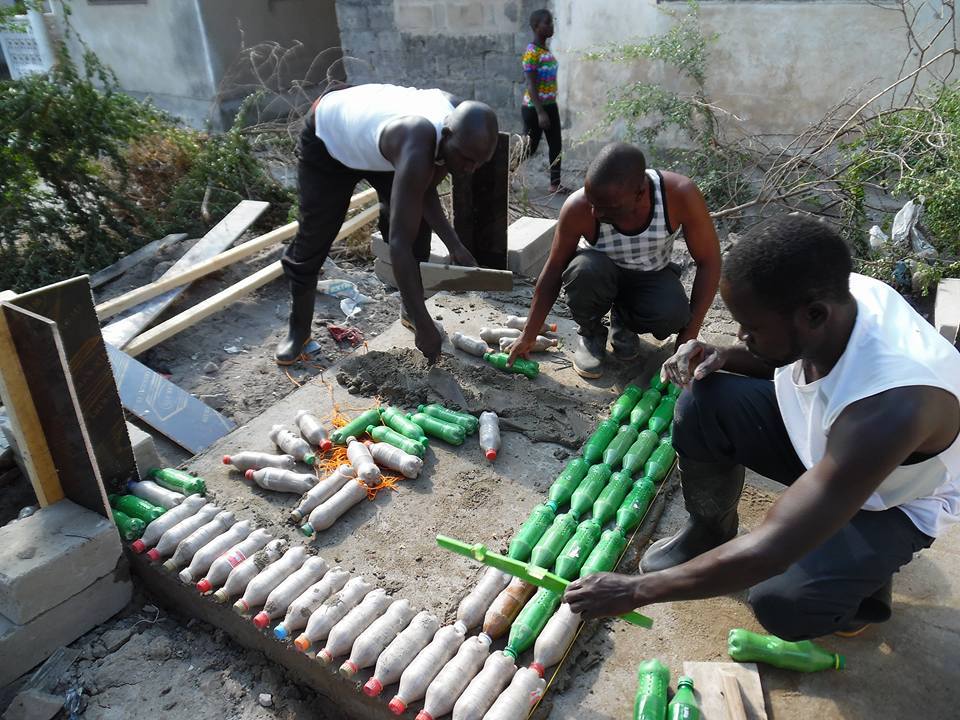
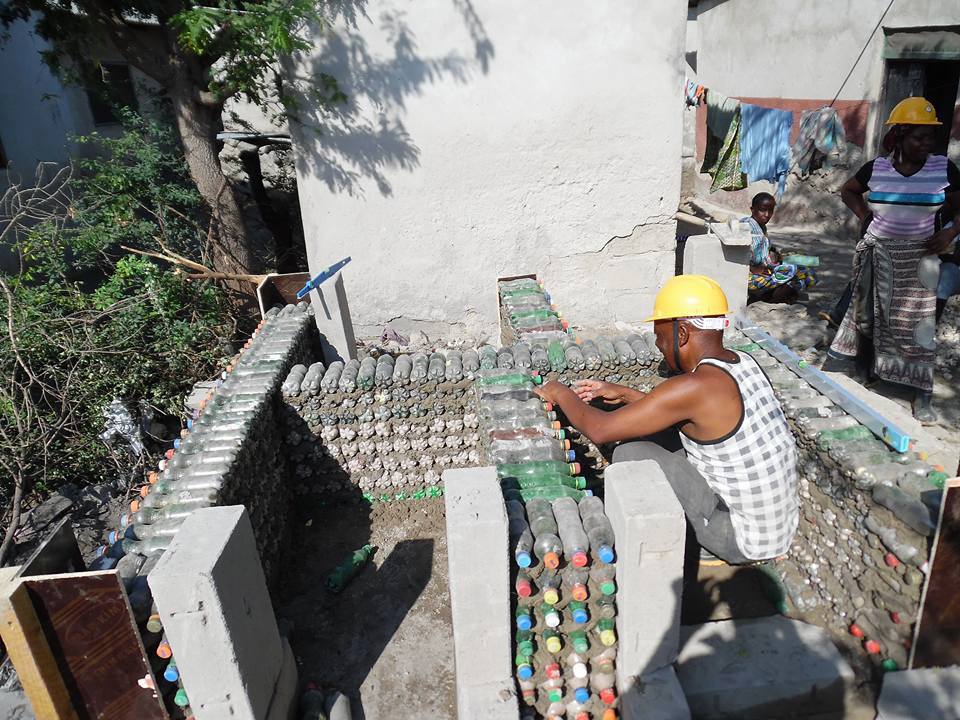
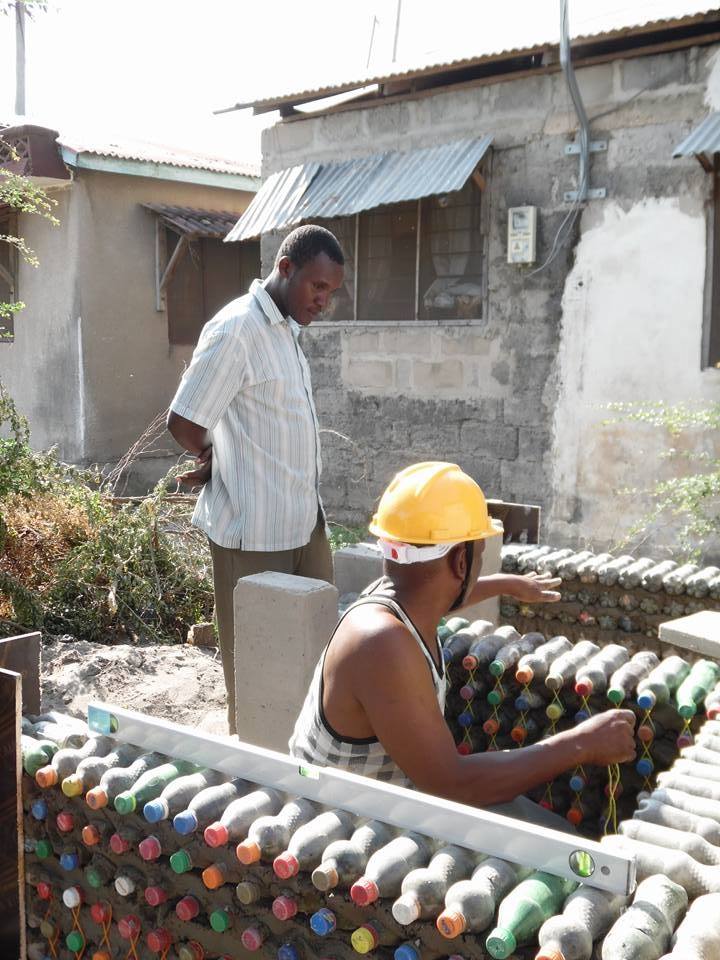
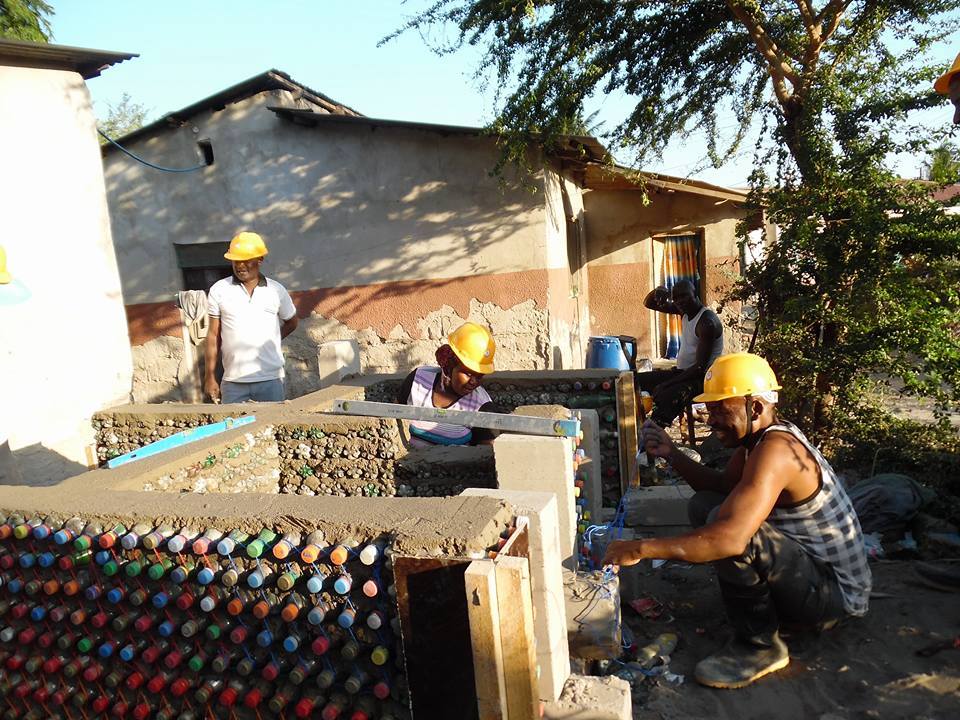
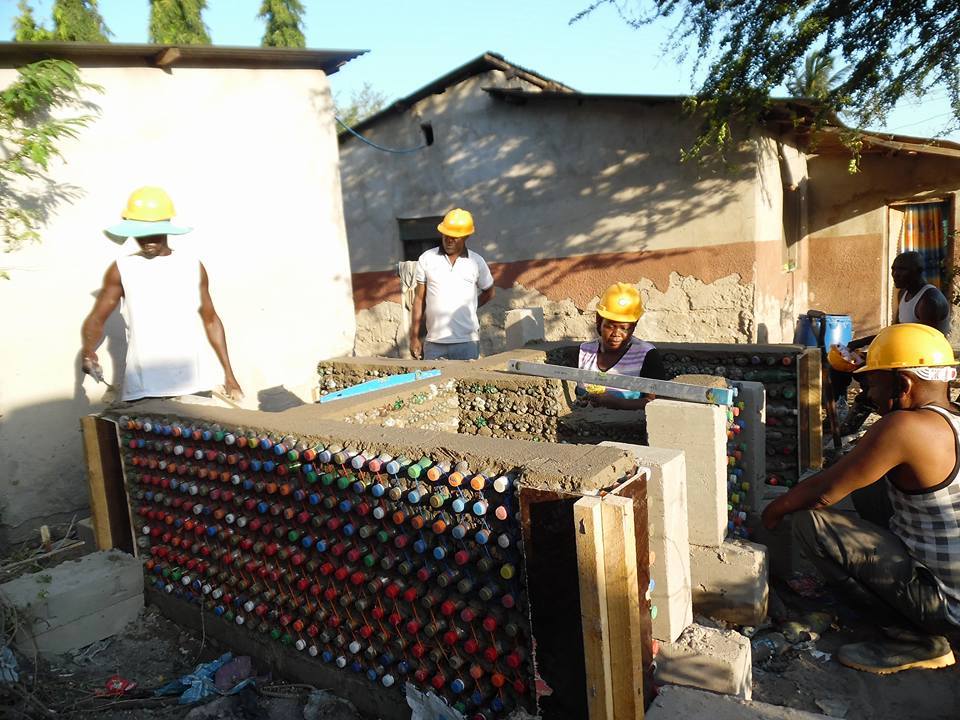
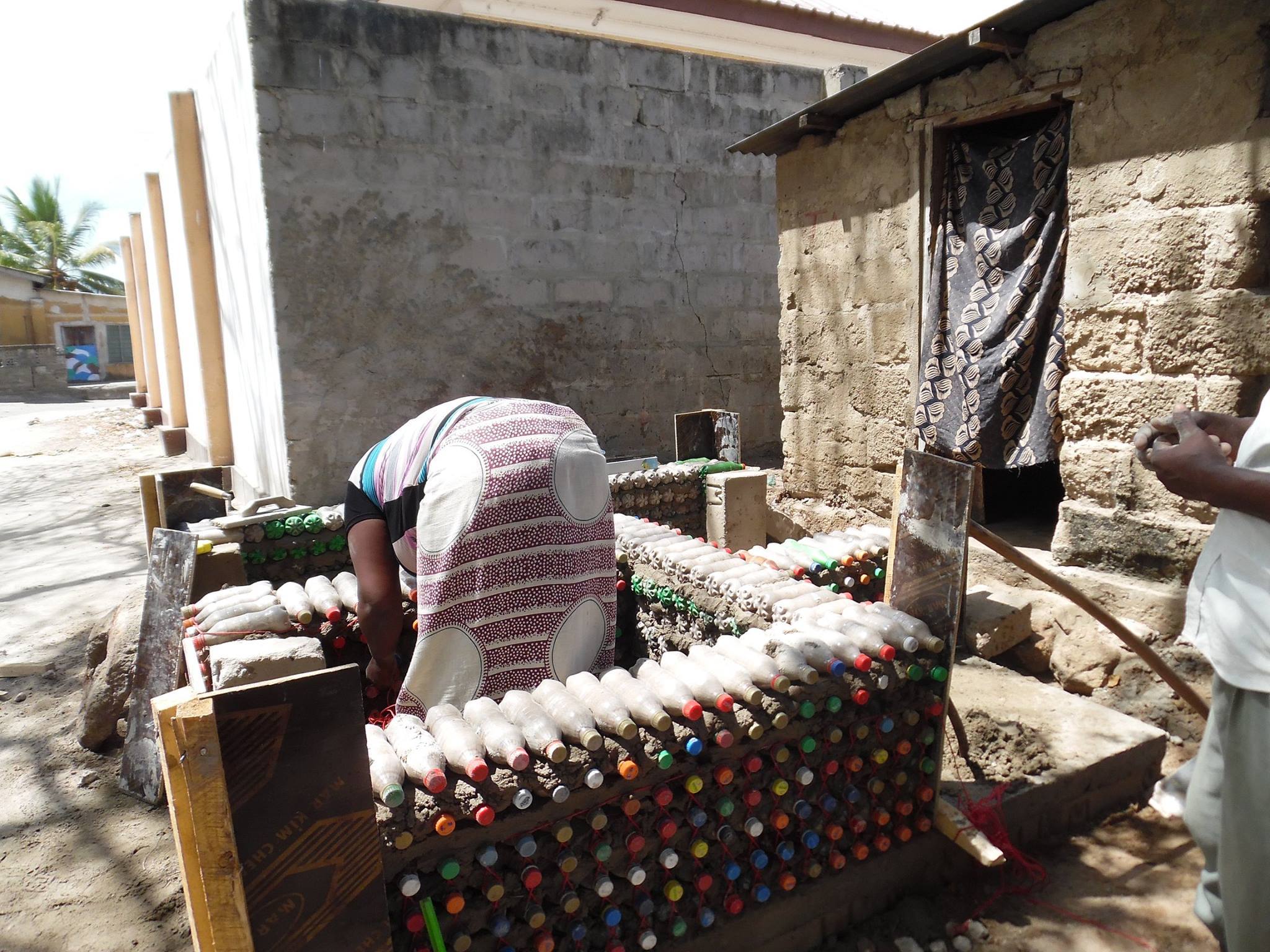
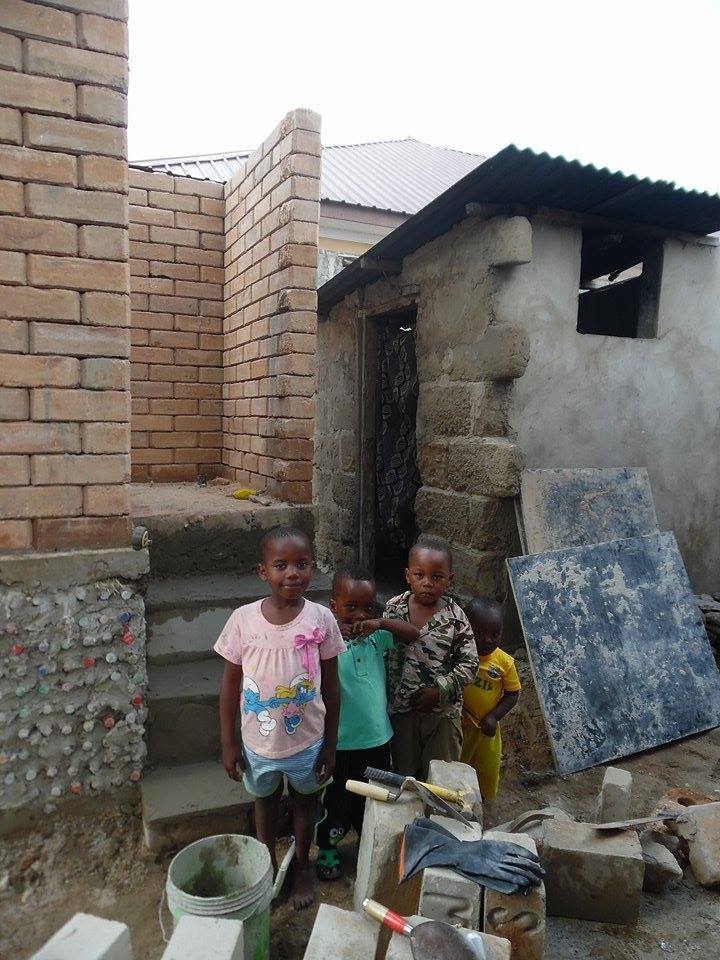
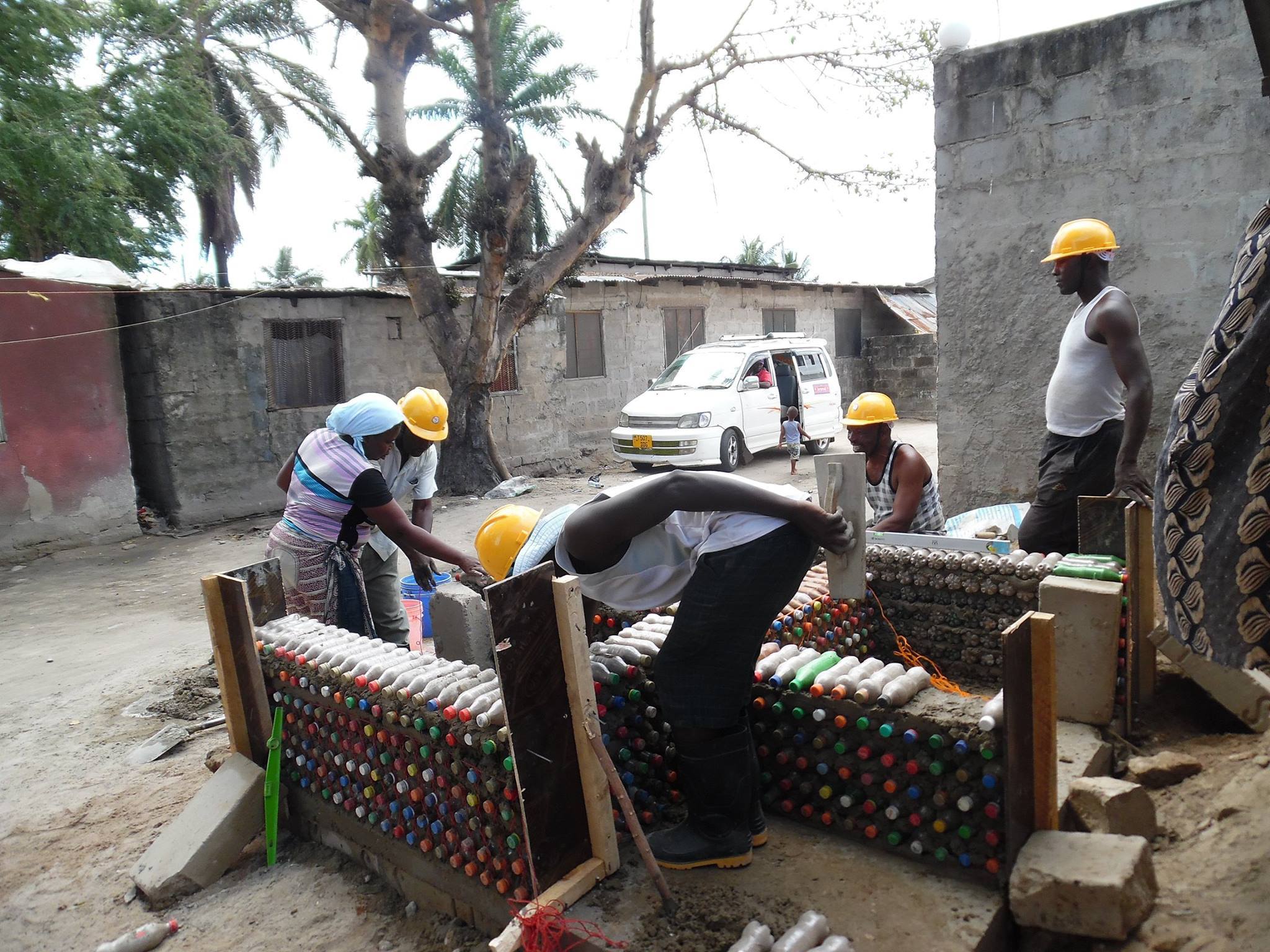
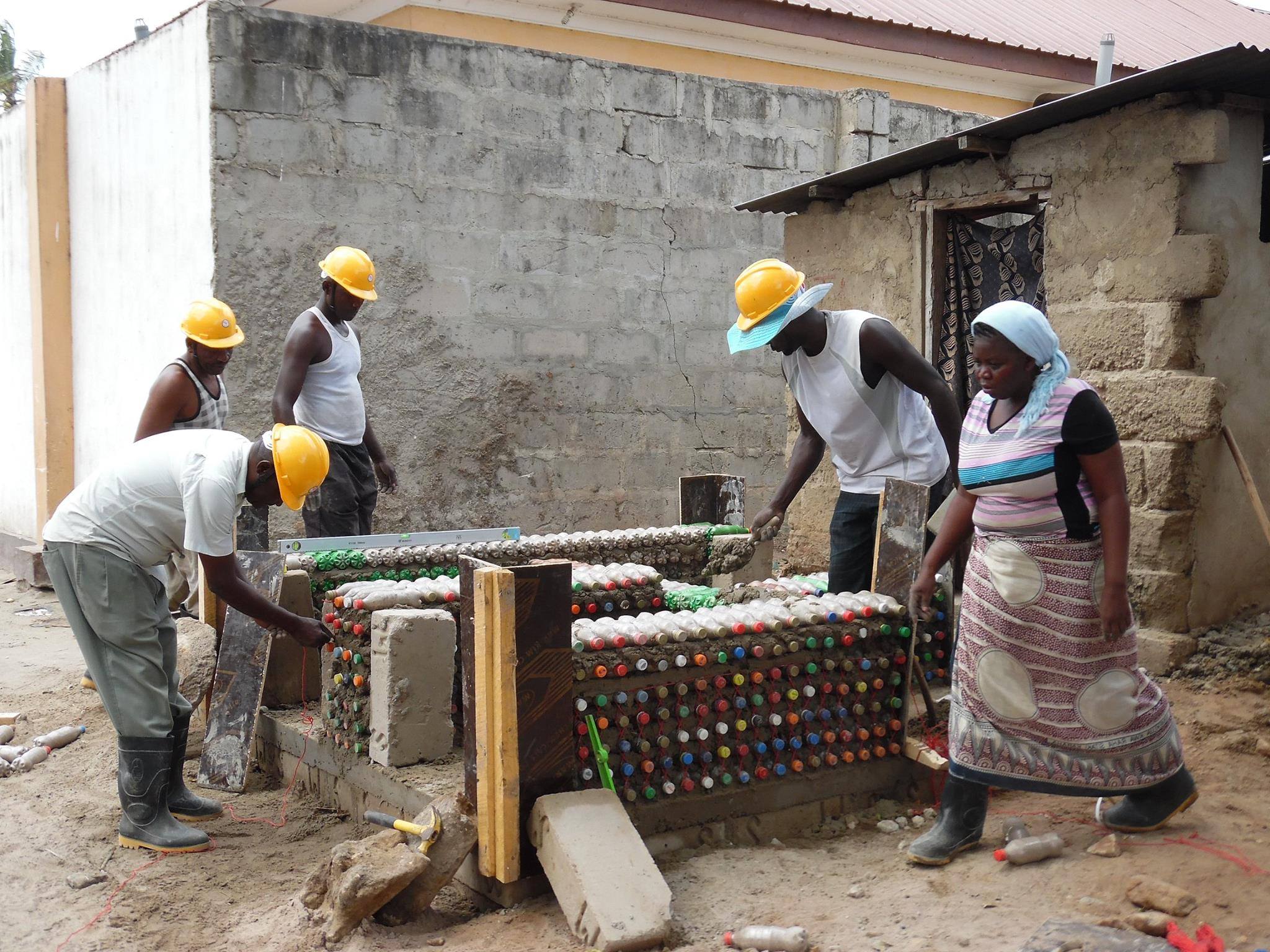
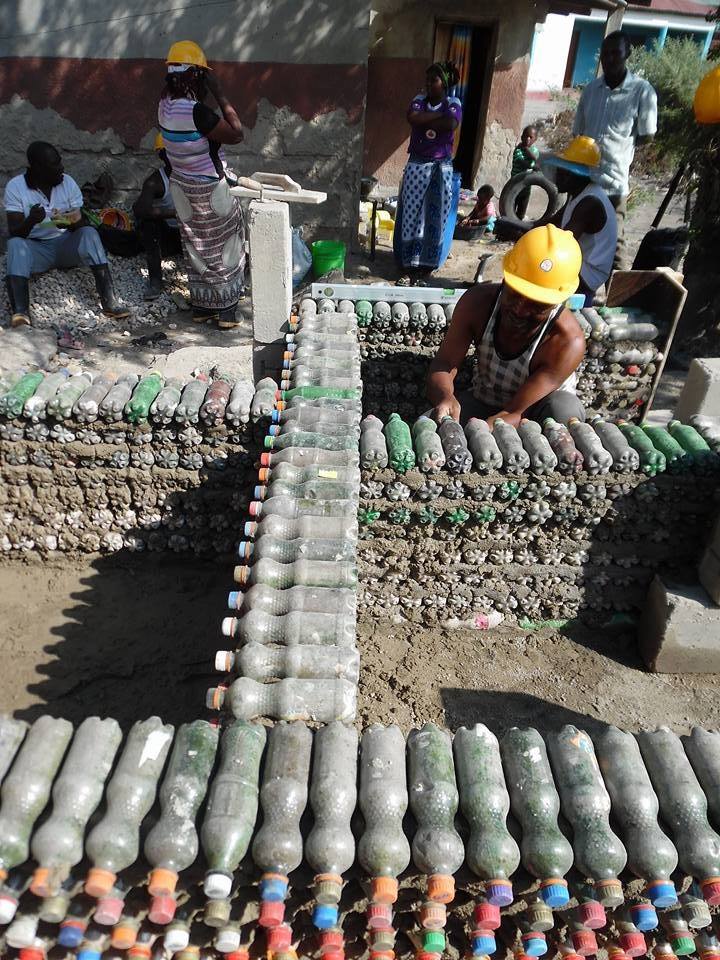
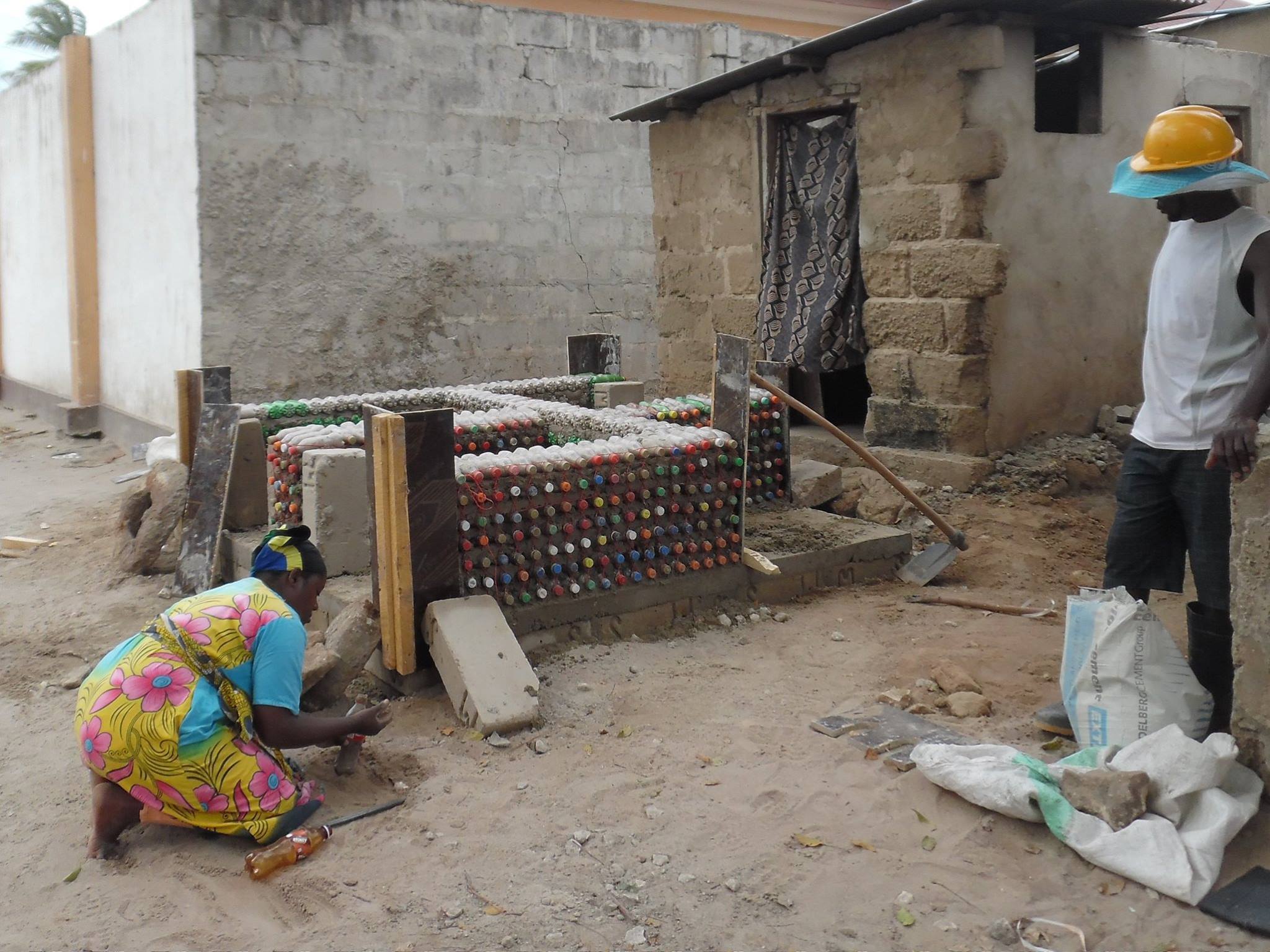
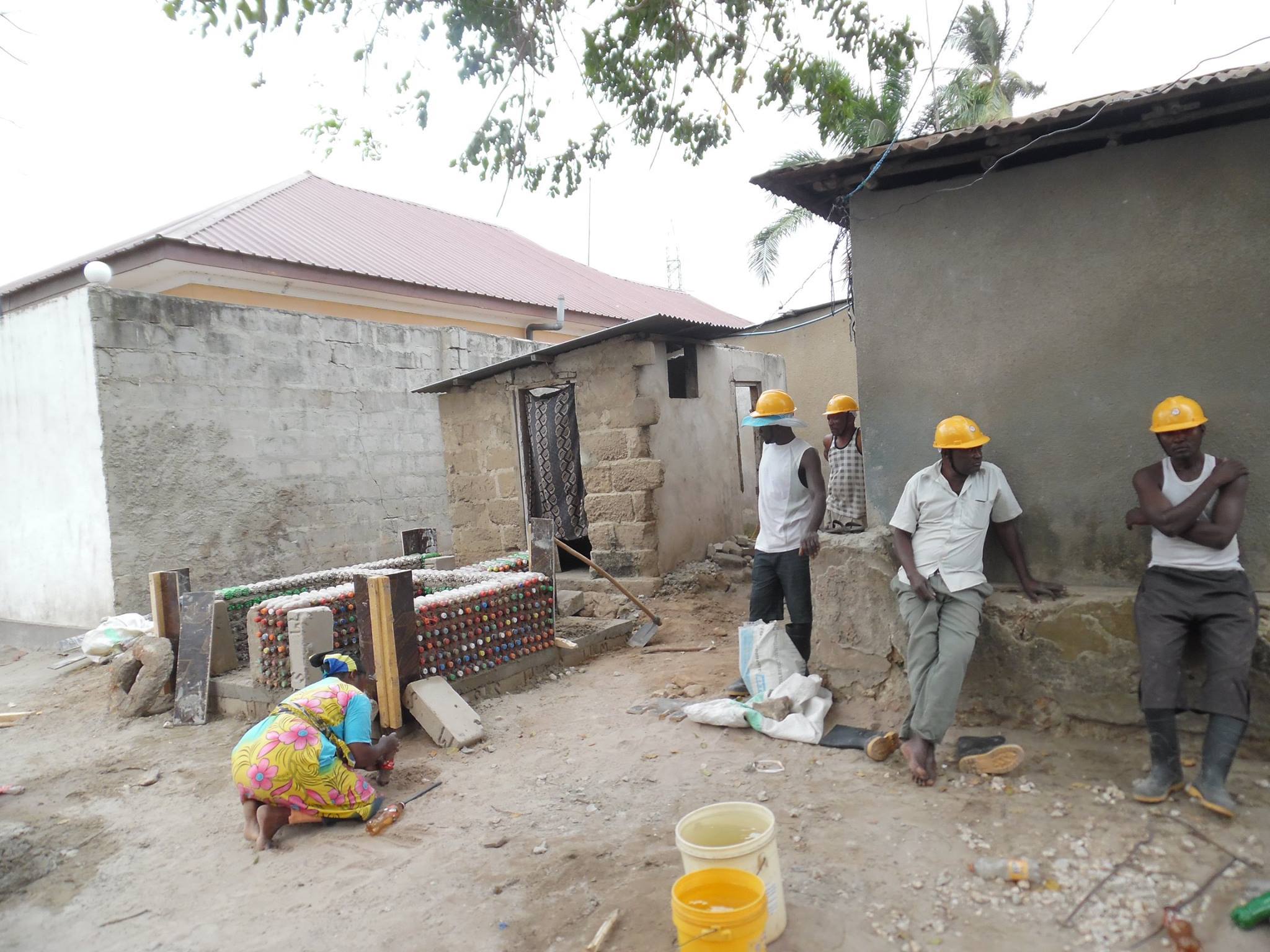
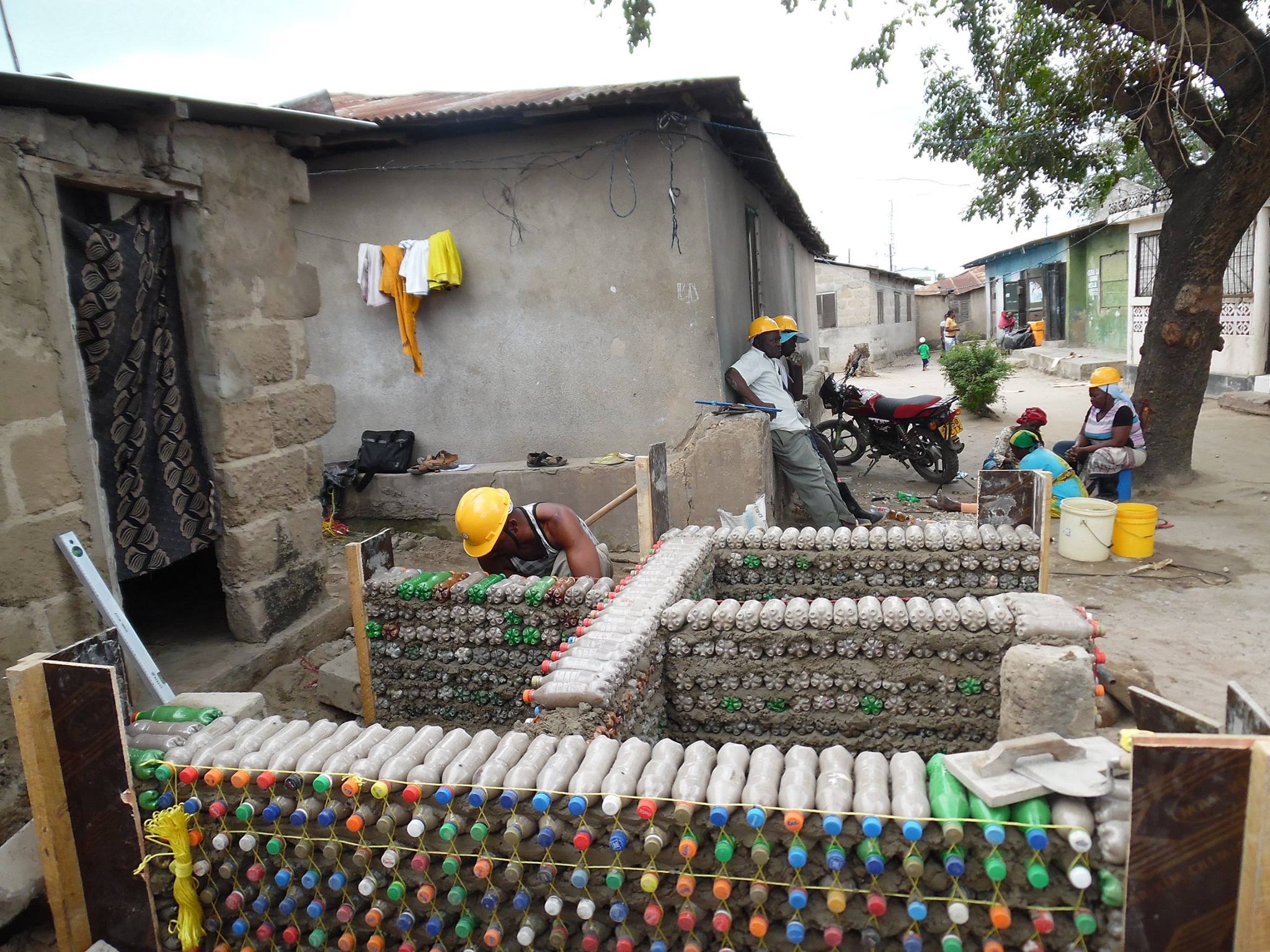
Sanitation is still a big challenge in Tanzania. According to DHS 2010 it is only 22% of households with improved toilet facilities in urban areas. Majority of households in urban areas are using unimproved toilet facility with 50% using pit latrines. Piped sewerage coverage is as low as 17% (Sanitation policy draft, 2009) with the rest of population relying on on-site sanitation, mostly pit latrines which use unhygienic means of emptying such as opening up the pits to flow with houseold during rain season.
Despite the efforts taken by the Government to alleviate hygiene and sanitation consequences, for example, The ‘Mtu ni Afya Campaign’ in the early 1970s’ and other programmes, still about 13% of all households lack of any form of latrine facilities. Coverage of basic sanitation in urban areas is about 97.6% compared to 83.3% of rural households. Whilst the coverage is high against many other African countries, the quality of the latrines is often poor with only 47% of the existing latrines being considered as improved latrines of an acceptable sanitary condition, and in urban areas piped sewerage is as low as 17%. houseold, sanitation and hygiene related diseases are still common in Tanzania and contribute above 60% of the diseases treated in our health facilities.
Our interventions
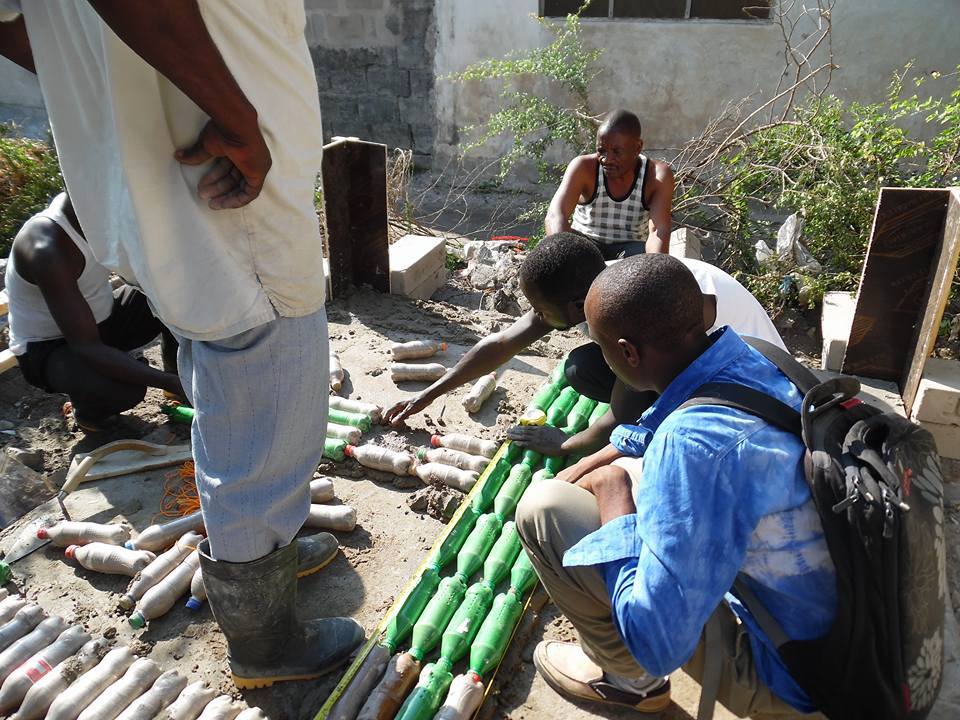
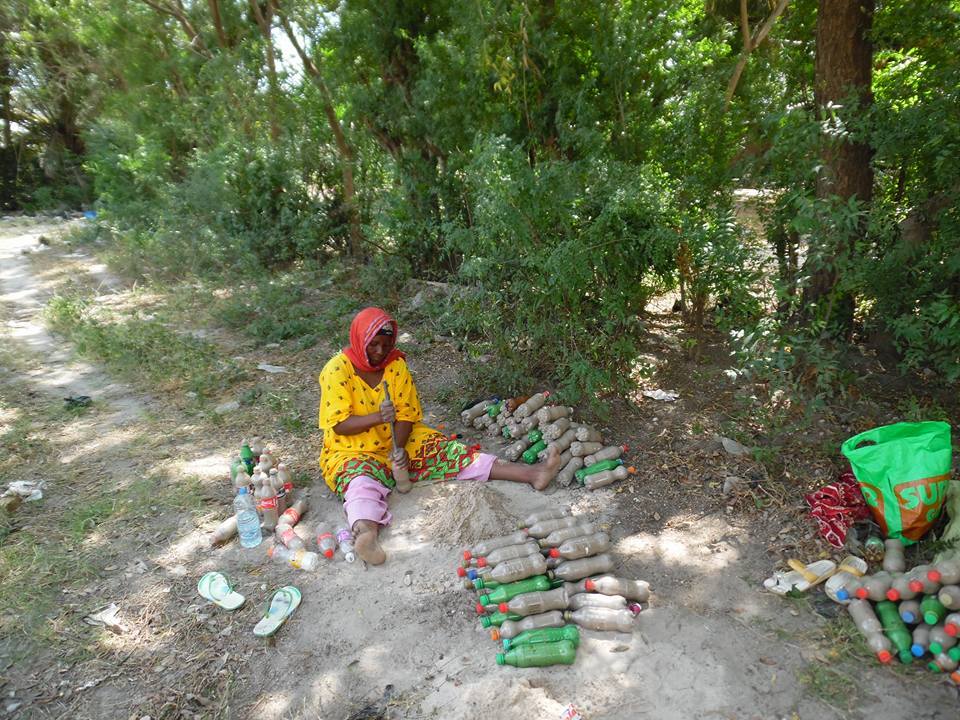
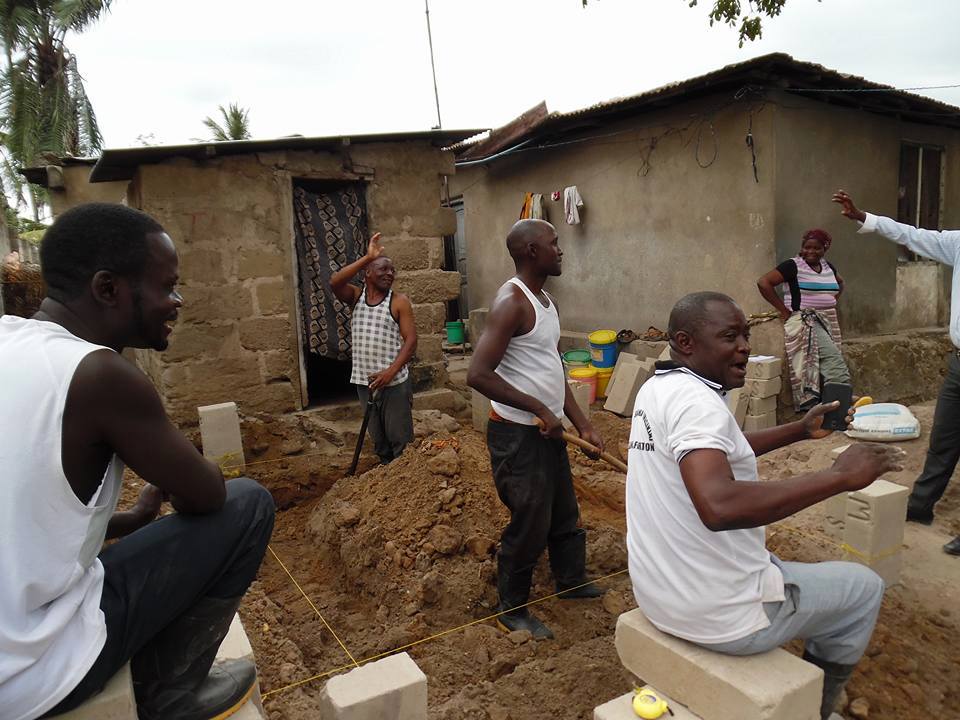
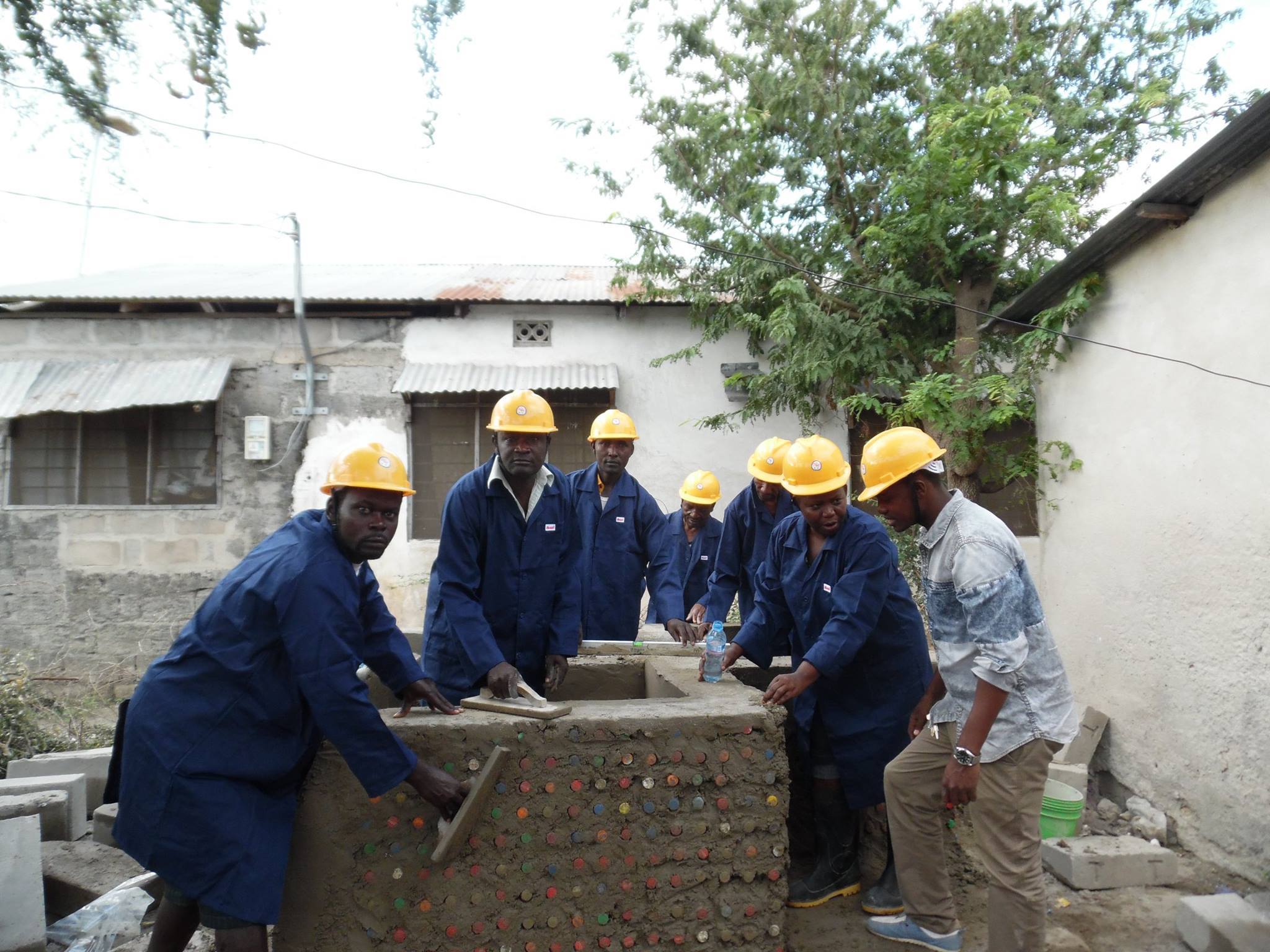
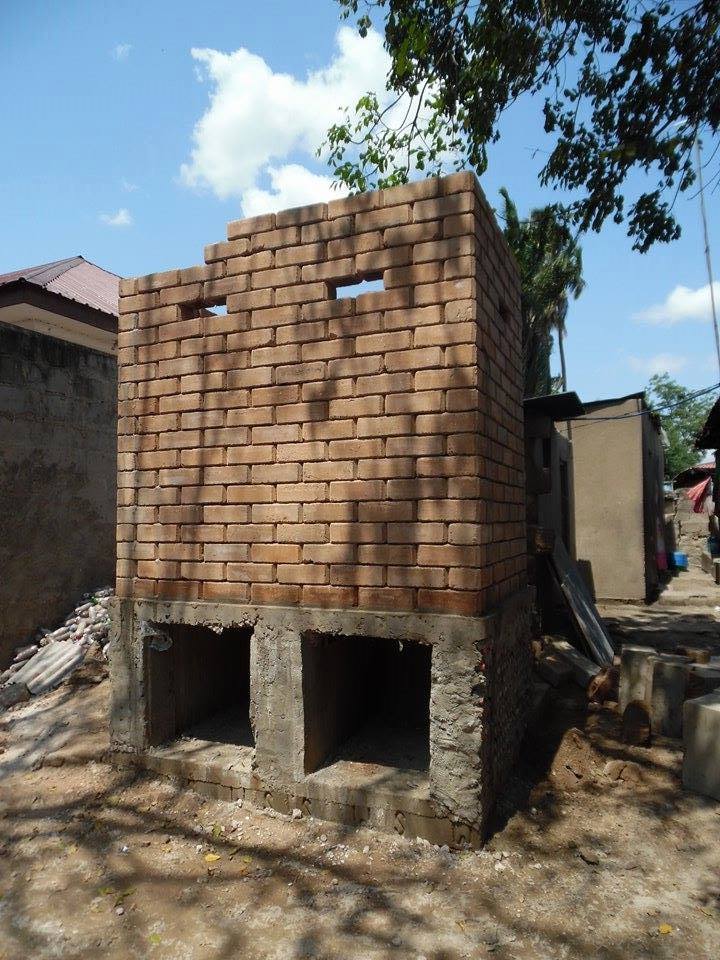
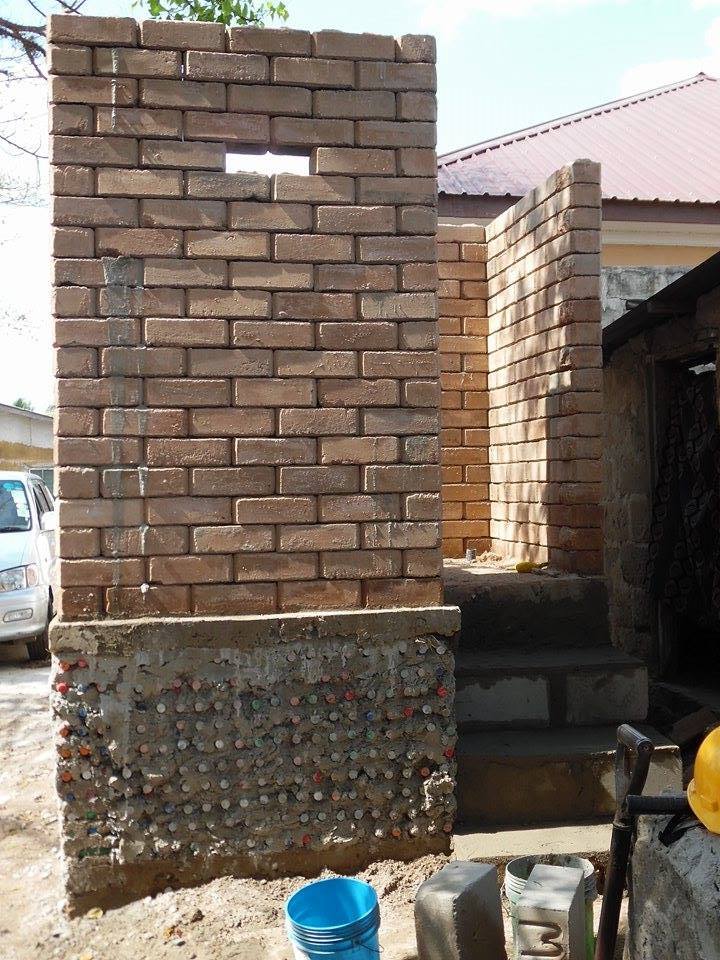
Our work focuses in the informal settlements. Despite the fact that these areas are occupied by majority of the urban residents (more than 75%), many actors including the government have not put enough emphasis towards addressing sanitation challenges. CCI and the federation have conducted enumeration, mapping and profiling of these areas, and in many cases sanitation challenges and its effects have been acute. Working with the community by identifying challenges and come up with solutions to their own challenges has helped CCI to gain massive experience. Several technical approaches on sanitation have been identified by CCI together with community basing on the local environment and considering the issue of affordability.

Add New Comment